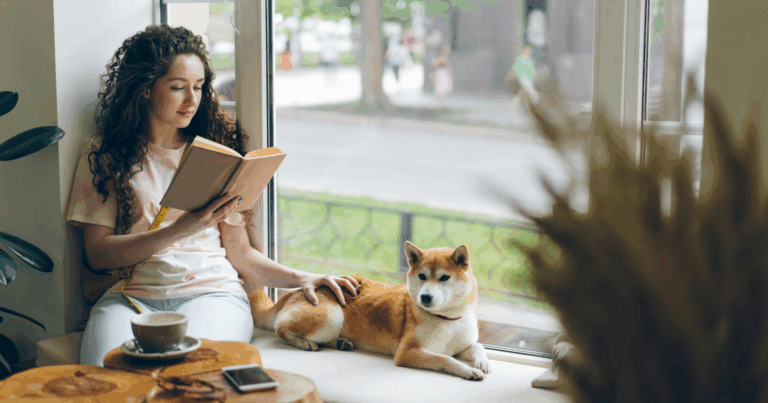

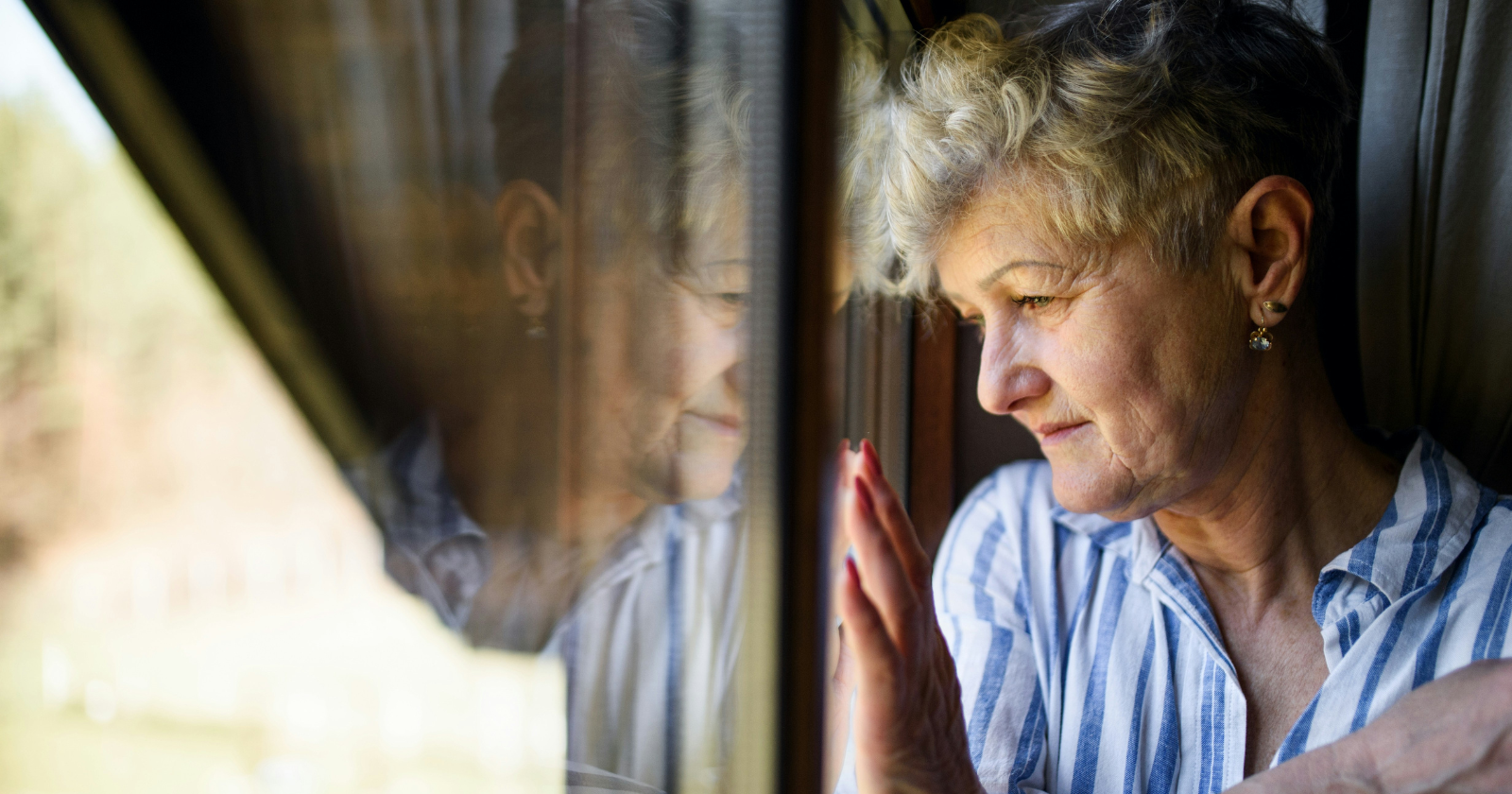
Picture this: A 75-year-old woman sits in her living room, the same one where she once hosted family gatherings that spilled into the kitchen. The house that used to echo with children’s laughter now holds only the ticking of a clock. She’s buried both parents, watched her kids build lives in distant cities, and her phone? It sits silent on the coffee table like a monument to modern disconnection.
We talk endlessly about Gen Z’s loneliness crisis, their social media addiction, their inability to connect. But here’s what nobody’s talking about: the generation that taught us how to tie our shoes, who sacrificed everything for their families, who now sit in empty nests wondering if anyone remembers they exist.
This isn’t just sad. It’s an epidemic hiding in plain sight.
The invisible crisis nobody wants to acknowledge
I used to think loneliness was a young person’s problem. After all, we’re the ones doom-scrolling at 2 AM, right? We’re the generation supposedly ruined by technology.
But then I started paying attention. Really paying attention.
My neighbor, who raised four kids and ran the local PTA for two decades, told me she sometimes goes days without a real conversation. A friend’s mother, who spent 40 years as a nurse caring for others, now struggles to find anyone who asks how she’s doing.
The numbers back this up. Studies show that one in three older adults feels lonely regularly. That’s millions of people who gave everything to their families and communities, now facing silence.
Here’s what gets me: We’ve created a society that moves so fast, we’ve left behind the very people who built the foundation we’re standing on. They’re not on Instagram sharing their struggles. They’re not writing viral tweets about their isolation. They’re just… quiet.
And that silence? It’s deafening if you stop to listen.
Why traditional support systems are failing
Remember when neighborhoods actually felt like communities? When people knew their neighbors’ names, dropped by for coffee, checked in on each other?
Those days feel like ancient history now.
The traditional support systems our parents and grandparents relied on have crumbled faster than we realize. Churches are emptying. Community centers are closing. Extended families are scattered across continents. The social fabric that once caught people when they fell has worn thin.
Research found that neighborhood disorganization was associated with increased loneliness among older adults across all racial/ethnic groups, highlighting the importance of community cohesion in mitigating feelings of isolation.
But it’s not just about physical spaces disappearing. It’s about how we’ve restructured our entire society around youth, productivity, and constant motion. Once you retire, once your kids leave, once you’re no longer “productive” in the traditional sense, society seems to forget you exist.
The cruel irony? This generation built these communities. They organized the block parties, ran the book clubs, volunteered at every school event. Now they’re watching it all dissolve, and nobody seems to notice.
The technology gap that became a canyon
“Just FaceTime me!” we tell our parents, as if it’s that simple.
But for a generation that grew up writing letters and making phone calls, the digital revolution happened overnight. While we adapted because we had to, many older adults got left behind in the digital dust.
It’s not that they can’t learn technology. It’s that the world moved on without asking if they wanted to come along. Banking went online. Doctor’s appointments require apps. Even staying connected with family means navigating platforms that change their interfaces every few months.
Think about this: The primary way younger generations connect today requires not just internet access, but understanding of multiple platforms, privacy settings, and an ever-changing digital language. For someone who spent 60 years communicating face-to-face, this isn’t just a learning curve. It’s a mountain.
And when they do try? We get impatient. We roll our eyes at their questions. We forget that they’re trying to bridge a gap that shouldn’t exist in the first place.
The health consequences nobody talks about
Loneliness isn’t just an emotional problem. It’s killing people.
Studies show that chronic loneliness is as bad for your health as smoking 15 cigarettes a day. It increases the risk of heart disease, stroke, dementia, and premature death. For older adults, the health impacts are even more severe.
But here’s what really struck me when writing my book on mindfulness and human connection: We treat physical ailments with urgency, but emotional isolation? That’s somehow seen as just part of aging.
When someone breaks a hip, we rush to help. When someone’s spirit breaks from isolation, we assume they’ll manage.
The generation that taught us to “tough it out” is doing exactly that, suffering in silence because they don’t want to be a burden. They spent their lives putting others first, and now, when they need support the most, they don’t know how to ask for it.
Breaking the cycle starts with recognition
So what do we do about this?

First, we need to see it. Really see it. Not as an inevitable part of aging, but as a crisis we’re actively creating through our choices and priorities.
I’ve started calling my older relatives more. Not texting, not emailing, but actually picking up the phone and having real conversations. Sometimes they have nothing “important” to say, and that’s exactly the point. They need to know someone cares enough to listen to nothing important.
Visit in person when you can. Bring your kids if you have them. Create regular rituals that don’t require them to come to you. The burden of connection shouldn’t fall on the people who already feel forgotten.
But individual action isn’t enough. We need systemic change. Communities need to create spaces specifically designed for older adults to connect. Not just bingo nights at senior centers, but real opportunities for meaningful engagement and contribution.
We need intergenerational programs that recognize the wisdom and experience older adults bring. We need to redesign our neighborhoods to be walkable and accessible. We need to make technology truly inclusive, not just technically available.
Most importantly, we need to shift our cultural values. A society that only values youth and productivity will always abandon its elders. We need to remember that aging isn’t a failure. It’s a success story that too many people don’t get to write.
Final words
The loneliest generation isn’t scrolling through phones feeling disconnected despite being constantly online. It’s sitting in quiet houses, rich with memories but empty of presence, waiting for someone to remember they exist.
These are the people who changed our diapers, who stayed up when we were sick, who sacrificed their dreams so we could chase ours. They held families together through wars, recessions, and pandemics. They buried their parents with dignity and raised their children with hope.
Now they’re asking for something so simple it should shame us: connection. Acknowledgment. The basic human recognition that they still matter.
We can keep pretending this isn’t happening. We can keep focusing on our own busy lives, telling ourselves we’ll call tomorrow, we’ll visit next month, we’ll make time when things slow down.
But things won’t slow down. And one day, we’ll be the ones sitting in quiet houses, wondering if anyone remembers we’re here.
The question isn’t whether we’ll fix this for them. It’s whether we’ll fix it in time for us.