
I don’t know about you, but when my neighbour tells me about that amazing coffee shop downtown, I go there before checking any Yelp reviews.
There’s something happening right now that’s completely flipping the content world upside down. While big studios pour millions into productions, the videos and posts that actually move us, that we actually trust, are being filmed in someone’s messy kitchen at 6 AM or recorded in a car during a lunch break.
And here’s the kicker: both your 65-year-old uncle and your 19-year-old cousin are watching the same type of content for the exact same reason.
The death of the polished facade
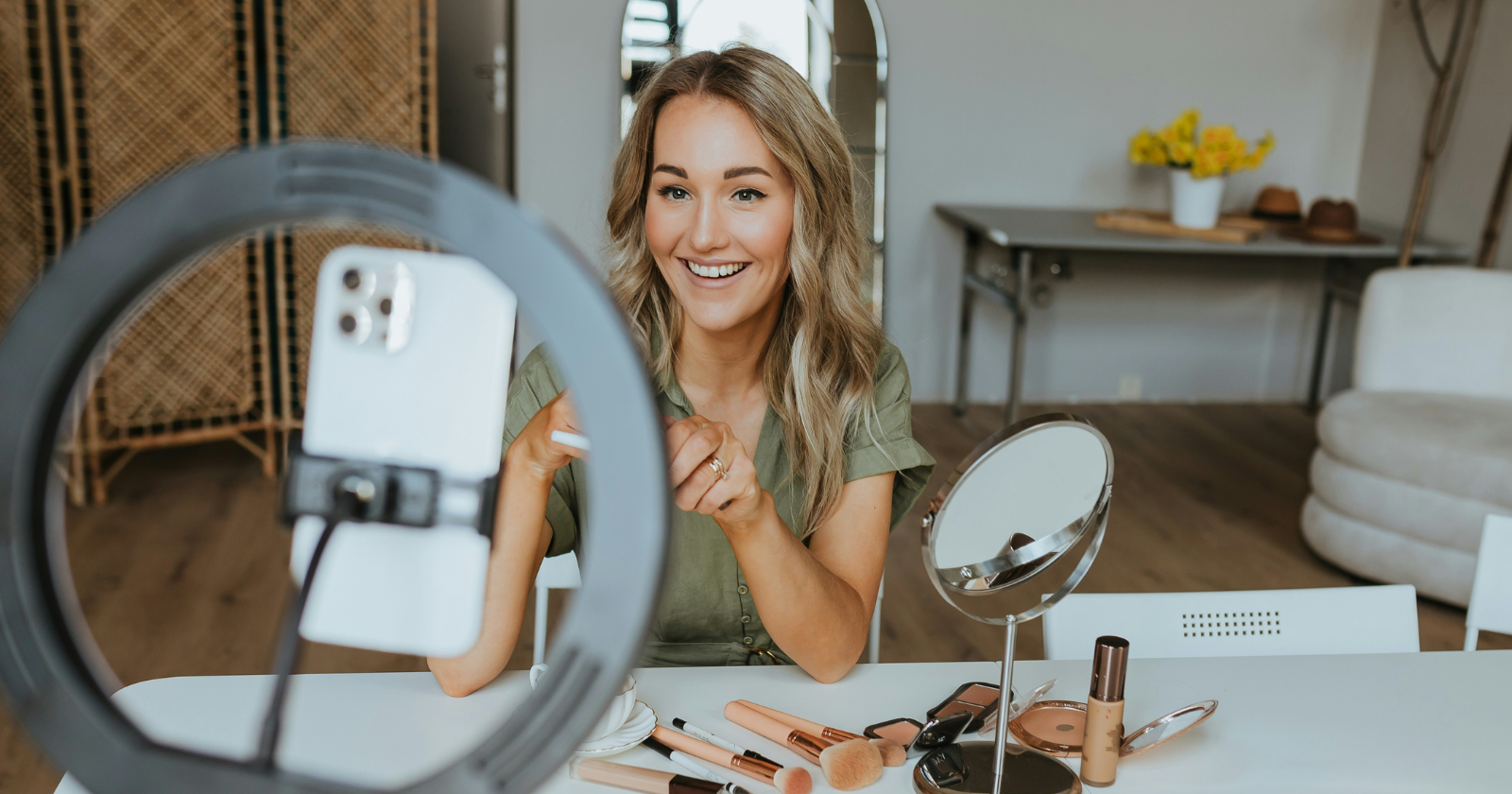
Last week, I watched a makeup tutorial filmed in someone’s bathroom with terrible lighting and a crying baby in the background. It had 3 million views. The creator kept apologizing for the chaos, but the comments section was full of people saying things like “finally, someone real” and “this is my life too.”
This isn’t just about relatability. It’s about something much deeper.
One thing I’ve learned from years of writing about psychology and human behaviour is that people don’t really care about credentials or polish when they’re deciding who to trust. They care about whether someone is genuine — whether they show up as themselves, rough edges and all.
The same principle is driving the content revolution we’re witnessing. People are exhausted by perfection. They’re craving the raw, unfiltered truth of someone just like them figuring things out in real-time.
Why authenticity beats production value every time
Think about the last time you made a major purchase. Did you trust the glossy commercial or did you search for “real person review” on YouTube?
According to a study examining the impact of user-generated content on consumer purchase intentions, UGC significantly predicts purchase intention, with trust and authenticity partially mediating this relationship. In other words, we buy things because real people we trust recommended them, not because an ad told us to.
This shift isn’t just changing how we shop. It’s fundamentally altering how we consume all information.
When someone films themselves in their garage talking about how they fixed their anxiety, we listen differently than when a celebrity endorses a wellness app from a studio set. The garage person has nothing to gain from lying to us. They’re not being paid. They’re just sharing what worked.
The trust equation that changes everything
Here’s what fascinates me about this whole phenomenon: it’s not generational.
My writing journey started in my 20s, building Hack Spirit from scratch. Back then, I thought different age groups needed completely different content approaches. But watching this current shift, I’m seeing something remarkable. Whether you grew up with rotary phones or TikTok, you trust the same thing: someone who reminds you of yourself or someone you know.
It’s the digital version of the fence conversation. You trust your neighbor’s recommendation about contractors because they have no incentive to lie. They live next door. If their advice is terrible, they’ll have to face you every garbage day for the next decade.
Content creators filming from their bedrooms have recreated this dynamic. They’re building long-term relationships with their audience. If they promote something terrible, they lose their community. The stakes are personal, not corporate.
The unexpected power of imperfection
Think about any busy, chaotic environment — traffic, a crowded market, a hectic morning at home. Nothing goes according to plan. You weave, you adapt, you make split-second decisions. It’s messy but it works because everyone’s being authentic about what they need to do to get where they’re going.
The best content being created right now has that same energy. Someone starts recording with one idea, their cat jumps on the desk, they lose their train of thought, find it again, and somehow end up somewhere more interesting than they planned.
In my book “Hidden Secrets of Buddhism: How To Live With Maximum Impact and Minimum Ego,” I write about the Buddhist concept of wabi-sabi, finding beauty in imperfection. What we’re seeing in content creation is wabi-sabi at scale. The crack in someone’s voice when they talk about their struggles. The messy kitchen counter behind them. The kid interrupting to ask for a snack.
These aren’t bugs. They’re features.
What this means for how we connect
Since becoming a father to my daughter, I’ve been thinking a lot about the world she’ll grow up in. Will she trust institutions? Brands? Experts?
Probably not in the way previous generations did.
But she will trust people. Real people who show up consistently, who admit when they’re wrong, who share their failures alongside their successes.
The content revolution we’re experiencing isn’t really about technology or platforms. It’s about returning to something ancient: the human need for authentic connection and trustworthy information from people who have skin in the game.
When someone films a recipe in their kitchen and admits they burned it twice before getting it right, that’s not just content. That’s community. When someone records their workout in their garage and shows themselves struggling with the last rep, that’s not just fitness content. That’s solidarity.
The studio paradox
Here’s the ironic part: studios are now trying to recreate this authenticity. They’re building sets that look like regular bedrooms. They’re adding “mistakes” in post-production. They’re coaching influencers to seem more relatable.
But you can’t manufacture trust. You can’t script authenticity.
The moment something feels calculated, we instinctively pull back. Our brains are incredibly sophisticated at detecting when someone’s trying to manipulate us versus when they’re genuinely sharing.
This is why the most successful content creators aren’t the ones with the best equipment or the biggest budgets. They’re the ones who show up consistently as themselves, flaws and all.
Final words
Writing this in the early morning quiet, before the world wakes up, I’m struck by how this shift reflects something I’ve learned from years of studying Eastern philosophy: the most profound truths are often the simplest ones.
We trust people who remind us of ourselves. We believe stories that could be our stories. We connect with struggles that mirror our own struggles.
The content revolution of 2026 isn’t really about cars, kitchens, garages, or bedrooms. It’s about the people in those spaces being radically, unapologetically themselves.
And maybe that’s the real lesson here. In a world of endless filters and facades, the most radical thing you can do is show up as yourself. Whether you’re creating content or just living your life, authenticity isn’t just refreshing anymore.
It’s revolutionary.