

This article was published in 2026 and references a historical event from 2005, included here for context and accuracy.
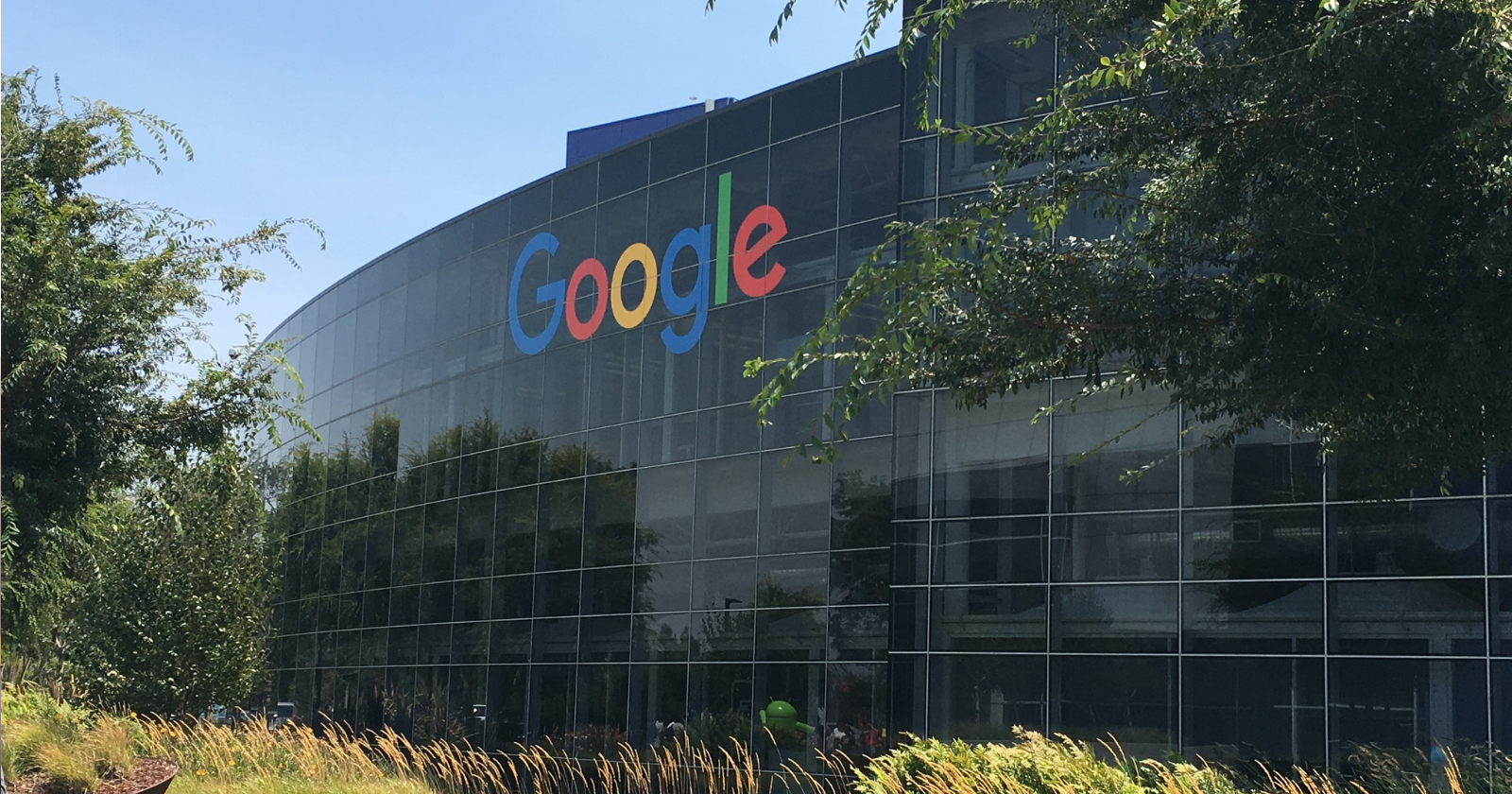
In 2005, a peculiar story emerged from the Googleplex that exposed something many in the blogging world found troubling. Google’s founders, Larry Page and Sergey Brin, sat down for drinks with David Naylor, a self-admitted “black-hat” SEO practitioner who openly bragged about content theft and blog spamming. The meeting was arranged by Matt Cutts, Google’s software engineer responsible for search quality and spam prevention.
The optics were jarring. While legitimate bloggers worked to create original content and build authentic audiences, Google’s leadership was sharing cocktails with someone who made his living manipulating their search engine. The story raised questions that still echo today: Where do platforms draw the line between understanding adversaries and legitimizing their tactics?
Nearly two decades later, the tension between search engines and those who game their systems remains one of digital publishing’s defining struggles.
The original scandal and what it revealed
The controversy centered on a simple contradiction. Matt Cutts held a role explicitly focused on preventing search manipulation and spam. His job was to protect Google’s index from the exact tactics that Naylor employed: automated content scraping, comment spam, and networks of fake blogs designed to artificially inflate search rankings.
Yet Cutts not only maintained a friendship with Naylor but facilitated a private meeting between this admitted manipulator and Google’s founders at their headquarters. To bloggers investing real time and resources into quality content, the message seemed clear: the rules didn’t apply equally.
What made this particularly galling was the asymmetry of access. Everyday publishers struggling with stolen content or unfair ranking penalties couldn’t get Google’s attention. Meanwhile, someone openly flouting the platform’s guidelines got face time with Larry and Sergey.
The incident highlighted a pattern that persists across the tech industry. Platforms often maintain closer relationships with those exploiting their systems than with those building on them honestly. There’s a twisted logic to it: understanding your adversaries requires engagement. But when that engagement looks like validation, it sends a corrosive message about what behavior gets rewarded with influence.
Why platforms court their antagonists
Google’s defenders at the time argued that talking to black-hat practitioners helped them understand evolving manipulation tactics. There’s merit to this reasoning. Security researchers often work closely with hackers. Fraud prevention teams study con artists. You can’t defend against tactics you don’t understand.
But there’s a difference between monitoring adversaries and hosting them for drinks at headquarters. The former is intelligence gathering. The latter looks like legitimization.
This dynamic has only intensified as platforms have grown more powerful. Today’s major platforms regularly engage with the sophisticated operations gaming their systems. Sometimes this takes the form of anti-spam task forces that include reformed manipulators. Other times it’s consulting relationships with SEO agencies whose tactics dance along ethical lines.
The underlying issue is one of captured regulation. When platforms rely on rule-breakers to understand rule-breaking, those manipulators gain influence over the rules themselves. They become insider voices shaping the very guidelines they’ve built careers circumventing.
For independent publishers, this creates a permanent disadvantage. They’re excluded from the conversations that determine how platforms function, while those with resources to manipulate at scale get brought into the fold.
The modern version of this problem
The Naylor incident was a preview of tensions that now define digital publishing. Search engines and social platforms have become essential infrastructure for content distribution, yet their incentives often misalign with quality content creation.
Consider how modern SEO has evolved. Google’s algorithm updates theoretically target manipulative practices, but sophisticated operators adapt faster than honest publishers can keep up. Those with resources to test at scale, run multiple properties, and pivot quickly when rules change maintain structural advantages.
Meanwhile, Google’s helpful content updates and spam policies increasingly penalize the wrong targets. Legitimate bloggers see traffic collapse while content farms and AI-generated spam sites persist. The platform’s inability to distinguish between low-quality content and content that simply doesn’t match commercial intent creates collateral damage across independent publishing.
The power imbalance extends beyond search. Social platforms regularly change algorithms in ways that devastate publishers who’ve invested in building audiences there. Newsletter platforms alter discovery features without warning. Every distribution channel operates as a black box where sudden policy shifts can destroy years of work.
What made the 2005 scandal notable wasn’t that Google talked to someone gaming their system. It was that this access represented a form of insider status unavailable to honest publishers. That dynamic has metastasized into the standard operating model for how platforms relate to those building on top of them.
What independent publishers can learn
The uncomfortable truth is that platforms will always maintain relationships with those who push boundaries and test limits. These actors provide valuable intelligence about system vulnerabilities. They also often represent significant commercial interests that platforms can’t ignore.

This doesn’t excuse the practice, but it suggests a strategic response for independent publishers. Waiting for platforms to protect your interests is naive. They’re not designed to do that, and they often lack the capacity even when they want to.
The more sustainable approach involves reducing platform dependency. This means owned channels like email lists and RSS feeds. It means diversified traffic sources rather than relying on any single platform. It means direct reader relationships that can survive algorithmic shifts.
It also means accepting that platforms will never be neutral arbiters. Their incentives favor scale, engagement, and commercial viability over content quality or creator welfare. Understanding this allows you to work within the system without being surprised when it operates against your interests.
The Naylor incident revealed something many publishers have since learned the hard way. The relationship between platforms and creators isn’t collaborative. It’s extractive. Platforms benefit from your content while maintaining the right to change terms whenever it serves their interests.
Building beyond platform goodwill
Nearly twenty years after Google’s founders shared drinks with a spammer, the fundamental dynamic hasn’t changed. Platforms still maintain closer relationships with sophisticated manipulators than with honest publishers. They still make arbitrary decisions that destroy independent businesses overnight. They still operate with opacity that makes strategic planning impossible.
The lesson isn’t that blogging or independent publishing is futile. It’s that success requires acknowledging how these systems actually work rather than how they claim to work.
Google never did drop their “Don’t be evil” motto over the Naylor meeting, though they eventually replaced it with “Do the right thing” as part of Alphabet’s formation in 2015. The corporate values shifted, but the underlying tensions remained. Platforms serve multiple constituencies with conflicting interests, and content creators rarely come out on top when those interests collide.
What matters now is building with eyes open to these realities. Platform traffic can fuel growth, but it shouldn’t be the foundation of a publishing business. Relationships with readers matter more than relationships with algorithms. Quality content still wins, but it needs distribution strategies that don’t collapse when a platform changes course.
The scandal at the Googleplex was never really about one meeting or one spammer. It was about the power imbalance baked into how digital publishing works. That imbalance persists, but so does the opportunity to build something more resilient than platform goodwill.