


Editor’s note (December 2025): This article was originally published in 2024 and has been reviewed and updated to reflect current blogging platforms and publishing standards.
Starting a lifestyle blog can be a rewarding way to share your interests and connect with readers who share your passions. Whether you’re drawn to travel, food, fashion, fitness, or some combination of these, a lifestyle blog offers a platform for self-expression and, potentially, income. This guide covers the essential steps to launch and grow a lifestyle blog.
Key takeaways:
- Identify your niche to focus your content and audience.
- Choose a blogging platform that fits your needs.
- Create a catchy and memorable blog name.
- Invest in reliable hosting for your blog.
- Engage with your audience to build a community.
What Is a Lifestyle Blog?
A lifestyle blog is a space where you share personal experiences, interests, and daily activities around specific themes. It’s more than a personal diary—it’s a way to inspire and inform others. You might write about cooking, travel, fitness, or fashion, all connected by your unique perspective and voice.
The key distinction between a lifestyle blog and a purely personal blog lies in intent. While a personal blog might document random thoughts, a lifestyle blog aims to connect with a defined audience and help readers in some way—whether through advice, inspiration, or shared experiences. Lifestyle blogs typically cover multiple related topics rather than focusing on a single narrow subject.
Popular Lifestyle Blog Niches
Some of the most successful lifestyle blog categories include travel (sharing adventures and destination tips), food (recipes, cooking techniques, and restaurant reviews), fashion (style advice and outfit inspiration), health and wellness (fitness routines and self-care), and parenthood (parenting advice and family activities). Many bloggers combine several of these areas under one umbrella.
Choosing Your Lifestyle Blog Niche
When starting a lifestyle blog, one of the first things I had to do was choose a niche. This is crucial because it helps define what my blog will be about and who my audience will be.
To identify the right niche, consider what you genuinely enjoy discussing, what skills or knowledge you can share, and what topics sustain your interest over time. Make a list of your interests and look for overlaps that could form a cohesive blog identity. Your niche shouldn’t be so broad that it lacks focus (like “everything about life”) or so narrow that you’ll run out of material quickly (like “keto recipes for left-handed seniors”).
Aim for a balance that attracts readers while giving you room to explore related topics.
Here are some popular lifestyle blog niches that I considered:
- Fashion and Style: Sharing outfit ideas and fashion tips.
- Food and Drink: Posting recipes and cooking tips.
- Health and Fitness: Focusing on wellness and workout routines.
- Travel: Documenting adventures and travel tips.
- Parenthood and Family: Offering parenting advice and family activities.
When selecting a niche, I kept in mind that it shouldn’t be too broad or too narrow. For example, writing about “everything in life” is too broad, while a niche like “keto diet tips for seniors” might be too narrow. I aimed for a balance that would attract readers while allowing me to explore my interests.
Finding the right niche can take time, but it’s worth the effort. Your blog should reflect your passions and connect with your audience.
In conclusion, choosing the right niche is a vital step in starting a successful lifestyle blog. It sets the stage for everything that follows, from content creation to audience engagement. Remember, your blog is a reflection of you, so choose a niche that excites you!
Selecting a Blogging Platform
Your blogging platform is where you’ll create, publish, and manage content. The choice affects your flexibility, monetization options, and how much control you have over your site.
WordPress.org remains the most popular choice for serious bloggers. It offers full control over your site, extensive customization through themes and plugins, and robust monetization options. You own your content completely, which matters for long-term security.
The trade-off is that you’ll need separate hosting, and there’s a learning curve for beginners.
Other options include hosted platforms like Squarespace, Wix, or Ghost, which simplify setup but offer less flexibility.
Free platforms like WordPress.com or Medium work for testing the waters but limit customization and monetization. For most bloggers planning to grow their site into something substantial, self-hosted WordPress provides the best foundation.
Creating a Memorable Blog Name
Your blog name is often a reader’s first impression, so it’s worth taking time to choose well. A strong name should be short, memorable, and reflective of your content.
Keep it easy to spell and pronounce — if people can’t remember it or find it in a search, you’ll lose potential readers. Aim for a .com domain if possible, as it remains the most recognized and trusted extension. Before settling on a name, verify that the domain is available and that there are no trademark conflicts.
Once you’ve chosen a name, consider how it will look as a logo. Consistent branding across your blog and social media profiles helps readers recognize you.
Setting Up Hosting
For self-hosted blogs, you’ll need a hosting provider to store your site’s files and make them accessible online. Hosting quality affects your site’s speed, reliability, and security.
Here are the most common types of hosting services:
- Shared Hosting: This is the most affordable option, perfect for beginners. You share server space with other websites, which keeps costs low.
- VPS Hosting: A step up from shared hosting, this gives you more control and resources. It’s great for growing blogs.
- Dedicated Hosting: This is for serious bloggers who need a lot of power and speed. You get an entire server to yourself.
Shared hosting is the most affordable option and works well for new blogs with modest traffic. As your blog grows, you might upgrade to VPS hosting for more resources, or eventually dedicated hosting for maximum performance.
When choosing a provider, look for reliable uptime (99.9% or better), responsive customer support, and the ability to scale as your traffic increases. Many hosting companies offer one-click WordPress installation, which simplifies the setup process considerably.
Designing Your Blog
Your blog’s design affects how readers perceive your content and how easily they can navigate your site. A clean, professional appearance builds credibility.
Start by selecting a theme that matches your content’s tone. Prioritize readability with clear fonts, adequate white space, and a logical layout. Ensure your theme is mobile-responsive, since a significant portion of readers will visit from phones and tablets.
Essential design elements include clear navigation menus, a search function, prominent social media links, and an about page that helps readers connect with you. Avoid cluttered layouts that distract from your content.
Writing Compelling Content
Content quality ultimately determines your blog’s success. Understanding your audience—what they want to learn, what problems they face, what interests them—helps you create posts that resonate.
Write authentically and share genuine experiences. Readers connect with real voices, not polished marketing speak. Use visuals strategically to enhance your posts, and keep your writing clear and accessible. Avoid unnecessary jargon.
Consistency matters as much as quality. Establish a posting schedule you can maintain and stick to it. Whether that’s weekly or twice monthly, regular publishing builds reader expectations and helps with search visibility.
Promoting Your Blog
Creating great content isn’t enough — you need to help people find it. A multi-channel promotion strategy expands your reach.
Social media platforms like Instagram, Pinterest, and Facebook can drive significant traffic when used effectively. Share your posts, engage with followers, and participate in relevant communities. Different platforms suit different niches, so focus your energy where your target audience spends time.
Search engine optimization helps readers discover your content through Google and other search engines. Research relevant keywords, write descriptive titles and meta descriptions, and structure your posts for readability. Building relationships with other bloggers through genuine engagement can lead to collaboration opportunities and expanded audiences.
Monetization Options
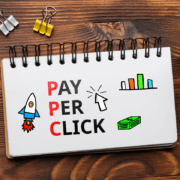
Once you’ve built an audience, several revenue streams become available. Affiliate marketing involves recommending products you genuinely use and earning a commission on resulting sales. This works well when recommendations align naturally with your content.
Sponsored posts involve partnering with brands to create content featuring their products or services. As your traffic grows, brands may approach you, or you can pitch relevant companies.
Creating your own products, such as ebooks, courses, or physical goods, offers higher margins and builds a direct relationship with your audience. Display advertising through networks like Mediavine or AdThrive provides passive income once you meet traffic thresholds.
Microblogging can also be a great way to enhance my monetization efforts by combining blogging with social media.

Analyzing and Growing Your Blog
To truly understand how your blog is performing, I rely on analytics tools. These tools help me see where my traffic is coming from and which posts my readers love the most.
Google Analytics is a great starting point. It’s free and provides a lot of useful information. Here’s what I usually check:
- Traffic Sources: Where are my visitors coming from?
- Popular Posts: Which articles are getting the most views?
- Audience Demographics: Who are my readers?
Google Analytics (or alternatives like Plausible or Fathom) shows traffic sources, popular posts, and audience demographics.
Key metrics to monitor include page views, time on site, bounce rate, and traffic sources. These numbers guide decisions about content topics, promotion strategies, and site improvements.
Growth comes from consistently applying what your data reveals. Double down on content types that perform well, experiment with promotion channels, and continuously refine your approach based on results.
Building Community
A loyal community transforms casual readers into engaged supporters. Respond to comments thoughtfully, ask questions in your posts, and create opportunities for reader interaction.
An email newsletter keeps your audience connected between posts. Share exclusive content, personal updates, and early access to new material. Email subscribers tend to be your most engaged readers.
Consider expanding beyond your blog with online events, social media groups, or local meetups. These touchpoints deepen relationships and create a sense of belonging around your content.
Final Thoughts
Starting a lifestyle blog requires patience and persistence.
Success rarely happens overnight, but consistent effort, including creating valuable content, engaging with readers, and refining your approach, builds momentum over time.
Focus on serving your audience well, stay true to your voice, and the growth will follow.
This article is part of Blog Herald’s editorial archive. Blog Herald was founded in 2003 and is now operated by Brown Brothers Media. Learn more about our editorial standards and history here.







In 2007, a 107-year-old Australian woman who could no longer type began dictating a blog about surviving two world wars and the Great Depression, and kept posting until two weeks before she died at 108