I can’t write a decent paragraph until my desk is clear. Not spotless, just clear: no leftover mail, no cup from three hours ago, no charging cable coiled where my elbow wants to go. I’ve spent years assuming this was a personal failing, a tidy little disguise my brain built so I could avoid the actual work of writing while still feeling productive.
Then I looked into what procrastination technically is, and it turns out my assumption might be wrong.
What tidying is and isn’t doing
“Procrastination is an emotion-regulation problem. It’s not a time management problem. It’s about really dealing with our feelings,” says Tim Pychyl, a psychology professor at Carleton University who has spent his career studying why people delay tasks. In his framing, people put off a task because starting it would trigger boredom, anxiety, or self-doubt, and delaying it offers short-term relief from that feeling, even though it makes the underlying problem worse.
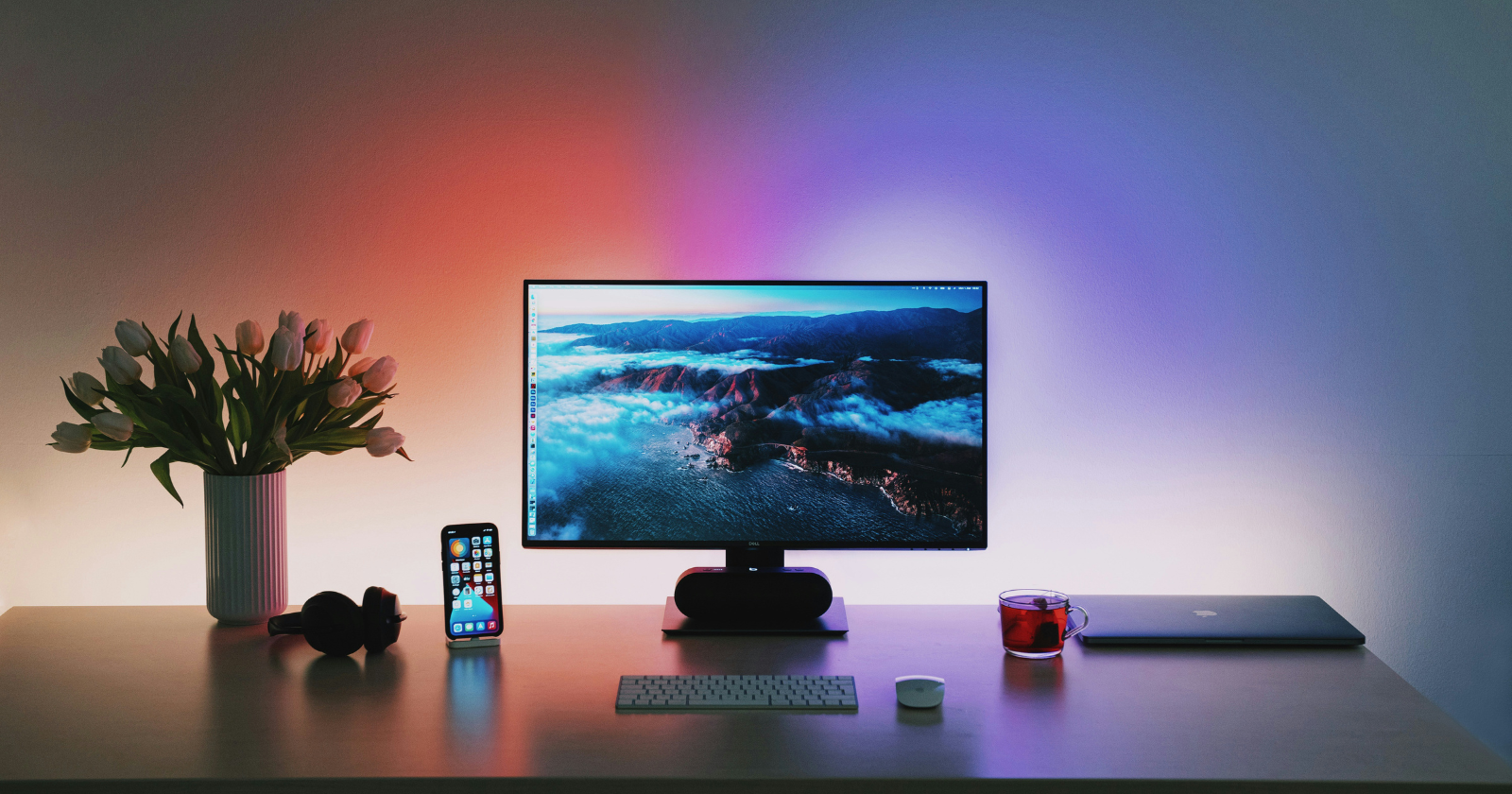
That definition matters, because it draws a real line. Genuine procrastination is a way of not being where the discomfort is. Clearing a desk before writing, when it actually ends with you sitting down and writing, functions more like a bridge into the task than an escape from it.
A cluttered desk can also work against you for a more literal, physical reason, one that shows up before you’ve typed a single word. A 2011 study in the Journal of Neuroscience by Princeton researchers Stephanie McMains and Sabine Kastner found that multiple objects in your visual field compete with each other for processing, and the brain has to actively resolve that competition before attention can settle anywhere. As the researchers put it, “multiple stimuli present in the visual field at the same time compete for neural representation by mutually suppressing their evoked activity throughout visual cortex.” The study was done with abstract lab stimuli, not messy desks, so it doesn’t prove tidying makes anyone a better writer. What it does establish is that visual clutter isn’t neutral background. Your brain spends real resources sorting through it before it can focus on anything else, which is a plausible, if unproven, reason a chaotic desk might cost you more than aesthetics.
None of that makes tidying special or mandatory. Plenty of people warm up with a walk, a cup of coffee made slowly, or five minutes of scrolling their phone before they can sit still, and the same emotion-regulation versus transition distinction applies to all of it. Tidying just happens to be the version that shows up for a lot of writers, maybe because a visual reset is cheap, immediate, and doesn’t require leaving the room where the actual work has to happen. I’ve also come to think it matters to me specifically because I already run a house on routines, mostly out of necessity now that both my husband and I work full time with two small kids in it. A desk that resets the same way every day is one less decision competing for attention I don’t have much spare of these days.
How to tell which one you’re doing
The honest test comes right after the tidying is finished. If clearing the desk is followed by opening the document and writing, even three mediocre sentences, that’s a warmup. If clearing the desk somehow expands into reorganizing a bookshelf, answering emails, and reconsidering your entire filing system, the desk was never the actual obstacle. Pychyl’s research points at the same tell: real procrastination tends to keep finding a new task to hide behind, because the goal was never to arrive at the hard one.
Turning it into a warmup on purpose
If the tidying is doing real work for you, the fix isn’t to fight it. It’s to put a container around it so it stays a warmup instead of drifting into its own afternoon.
1. Give it a fixed, small size
Pick one surface, not the whole room. A cleared 18 inches of desk in front of you does the job. The goal is resetting your visual field, not achieving a magazine-worthy office.
2. Set a timer you actually respect
Five minutes, maybe ten. When it goes off, the ritual is over whether or not the desk looks finished. This is the part that keeps a warmup from turning into the thing Pychyl describes, where one task quietly substitutes for another.

3. Do the same small motions every time
Stack the papers, wipe the surface, open the document. Repetition turns tidying into a cue instead of a fresh decision you have to talk yourself into each morning. Your brain starts treating the ritual as the doorway into the work itself.
4. Let the ritual end where the work begins
The moment the last object is out of your visual field, move your hands to the keyboard before your brain has time to invent a fifth task. This is the actual hinge between warmup and avoidance.
Final thoughts
My own version of this got a lot less precious once I had two kids under two. These days the “ritual” is often just shoving a bottle and a stray sock off the table before I open my laptop, and it takes ninety seconds instead of ten minutes. What hasn’t changed is the principle behind it, which lines up with something I already believe about most of my work: a giant, undefined task is what makes people freeze, while a small, specific, checkable one is what actually gets started. Clearing 18 inches of desk is a small, checkable task. Writing an entire article is not, until you’ve broken your way into it.
None of this means every messy desk is secretly a productivity hack, or that a person who never tidies before writing is doing it wrong. Plenty of writers work fine surrounded by chaos, and plenty of tidying really is just procrastination wearing a nicer outfit.
What actually separates the two is whether the ritual comes with a built-in exit, one that reliably ends in the work getting started rather than in a fresh reason to wait.