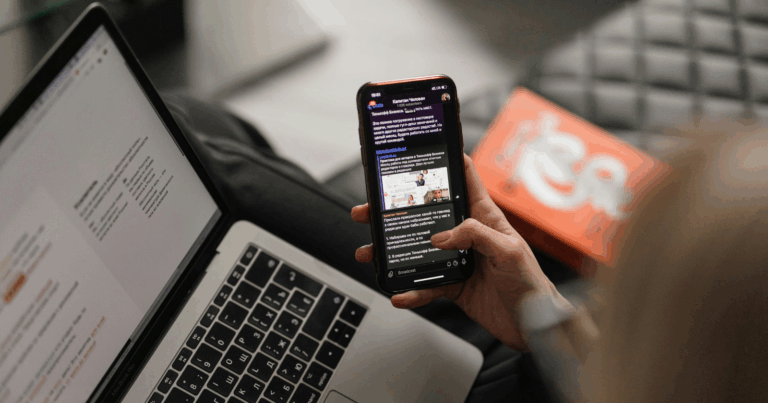


Running a blog means your work never really leaves. The laptop sits open on the kitchen counter. The phone buzzes with comments at dinner. The mental load of content calendars, engagement metrics, and affiliate deadlines follows you into the bedroom.
For those of us who build our livelihoods online, the boundaries between professional and personal blur in ways that traditional careers rarely experience. And when you share your life with a partner, this blurring creates unique pressures. According to WorkLife, couples navigating work-from-home arrangements are still figuring out the best dynamics years after remote work became normalized, with relationship experts noting that when both partners work from home, they essentially become coworkers without the natural separation that office life provides.
Yet some couples thrive in this environment. They find ways to support each other’s creative ambitions while maintaining their own identities. They argue about boundaries and deadlines, but they argue well. They build something together without losing themselves in the process.
After years of running sites while sharing a home with my partner, and after countless conversations with other bloggers navigating the same terrain, I’ve noticed patterns. Certain signs consistently appear in couples who have found genuine balance. These signs have less to do with perfect harmony and more to do with honest negotiation, mutual respect, and a willingness to grow alongside each other.
What balance actually looks like for content creators
Balance in a relationship sounds simple until you try to define it. For bloggers and digital publishers, the definition gets even murkier because our work resists containment. There’s always another post to write, another comment to answer, another opportunity that requires immediate attention.
Relationship researcher John Gottman, whose work at the University of Washington has shaped much of what we understand about lasting partnerships, describes trust as something built in small moments rather than grand gestures. As he notes in his research on trust and betrayal featured by Greater Good Magazine, the most important question couples face is whether they can trust each other across multiple dimensions: to listen when upset, to prioritize the relationship over outside demands, to remain faithful, to show up consistently.
For content creators, these questions take specific forms. Can I trust you to respect my writing time? Can I trust you to understand when a deadline means I need to disappear for a few hours? Can I trust you to have your own life so I’m not your only source of connection?
Balance emerges when both partners can answer yes to these questions most of the time. Not perfectly, not without occasional failures, but consistently enough that trust accumulates rather than erodes.
The couples who manage this share certain characteristics. They’ve learned to respect differences without trying to eliminate them. They communicate about the hard stuff, not just the easy stuff. They maintain their own identities while building something shared.
Here are seven signs that indicate you and your partner have found this balance.
1. You respect each other’s differences
You might write best at 2 a.m. while your partner prefers early mornings. Perhaps you obsess over analytics while they couldn’t care less about traffic numbers but keep you grounded in why you started creating in the first place.
In a balanced relationship, these differences become assets rather than sources of friction. You’ve stopped trying to convert your partner to your schedule or your way of thinking. Instead, you’ve learned to appreciate what their different perspective brings to your shared life.
This mutual respect creates space where both partners can be themselves without performance or apology. It allows for growth, individuality, and the kind of acceptance that deepens over years rather than wearing thin.
2. You argue, and that’s perfectly fine
Healthy disagreements signal that both people are invested enough to voice their actual thoughts and feelings.
For content creators, these arguments might center on how much personal life to share online, whether a sponsorship opportunity aligns with your values, or how to handle the constant pull of work when you’re supposed to be present with family. These conversations matter precisely because they’re difficult.
Gottman’s research identified that stable couples maintain roughly five positive interactions for every negative one. The goal isn’t eliminating conflict but handling it in ways that don’t erode trust. You’re not focused on winning. You’re focused on understanding each other and emerging from disagreements stronger rather than more distant.
3. You maintain your individuality
This can be especially challenging when you work from home and your partner is right there. The temptation to merge every aspect of your lives is real, and some couples fall into patterns where they do everything together, slowly losing the separate interests and friendships that made them interesting to each other in the first place.
Balanced couples understand the importance of personal space and time apart, even when “apart” means one person working in the living room while the other takes a call in the bedroom. Research published in Frontiers in Psychology found that working from home improved family relationships when couples engaged in proper adaptive processes, including maintaining boundaries between work and personal time.
Pursue your own projects. Meet up with friends. Take time for interests that have nothing to do with your blog or your partner. This independence strengthens rather than threatens your relationship.
4. You communicate openly and honestly
For bloggers, this often means navigating conversations most couples never face. How do you feel about me writing about our relationship? Are you comfortable appearing in my content? Where’s the line between our public presence and private life?
In a balanced relationship, both partners feel comfortable expressing their thoughts and feelings without fear of judgment or rejection. You discuss the good, the bad, and everything between. When issues arise, you address them directly rather than letting resentment build.
True communication involves listening and understanding, not just talking. It means being willing to hear things you might not want to hear and responding with curiosity rather than defensiveness.
5. You share common values
You might disagree on which platform deserves more attention or whether a particular collaboration is worth pursuing. But when it comes to beliefs about honesty, respect, financial decisions, and how you want to build your life together, you’re aligned.
This alignment matters because it provides direction during difficult decisions. When you share core values, you can navigate disagreements about tactics because you agree on what you’re ultimately trying to build.

Values function like a compass. Two people can take different paths up a mountain and still reach the same summit if they’re oriented toward the same destination.
6. You support each other’s goals
Your partner’s victories feel like your own, and their challenges become yours to face together. This might look like your partner handling dinner on nights when you’re pushing to meet a deadline, or you clearing your schedule when they need support with their own pursuits.
According to research compiled by Linearity, 83% of workers say their personal relationships are negatively impacted by work burnout. For bloggers, whose work can consume every available hour if allowed, having a partner who actively supports your goals while also helping you maintain boundaries becomes essential for long-term sustainability.
You celebrate wins together. You provide a reassuring presence through setbacks. This mutual support creates shared purpose and direction as you both move forward together.
7. You’re not afraid of vulnerability
For those who create content, there’s often a curated version of life that exists online and then there’s reality. A partner who sees both, who knows the difference between your public confidence and your private doubts, and who loves you through all of it, offers something rare.
Being vulnerable means allowing your partner to see the unfiltered version of you. The version that worries about traffic drops. The version that wonders if any of this matters. The version that sometimes feels like a fraud despite external success.
When both partners can show up this way, it creates a bond based on authenticity rather than performance. This foundation proves more durable than relationships built on presenting only your best self.
The balance you build together
If these signs resonate with your relationship, you’ve likely built something with real foundations. Something that can grow and adapt as your work evolves and your lives change.
Remember that balance isn’t a destination you reach and then maintain effortlessly. It requires ongoing attention, regular recalibration, and a willingness to acknowledge when things have drifted off course. The demands of content creation shift constantly. Algorithms change, platforms rise and fall, and what worked last year might not work tomorrow.
A partner who helps you step back, breathe, and remember what matters beyond the screen offers more than emotional support. They offer perspective, and perspective is one of the scarcest resources in the attention economy.
The couples who last aren’t the ones who never struggle. They’re the ones who struggle well, together, and emerge from each challenge with their trust intact and their commitment renewed.