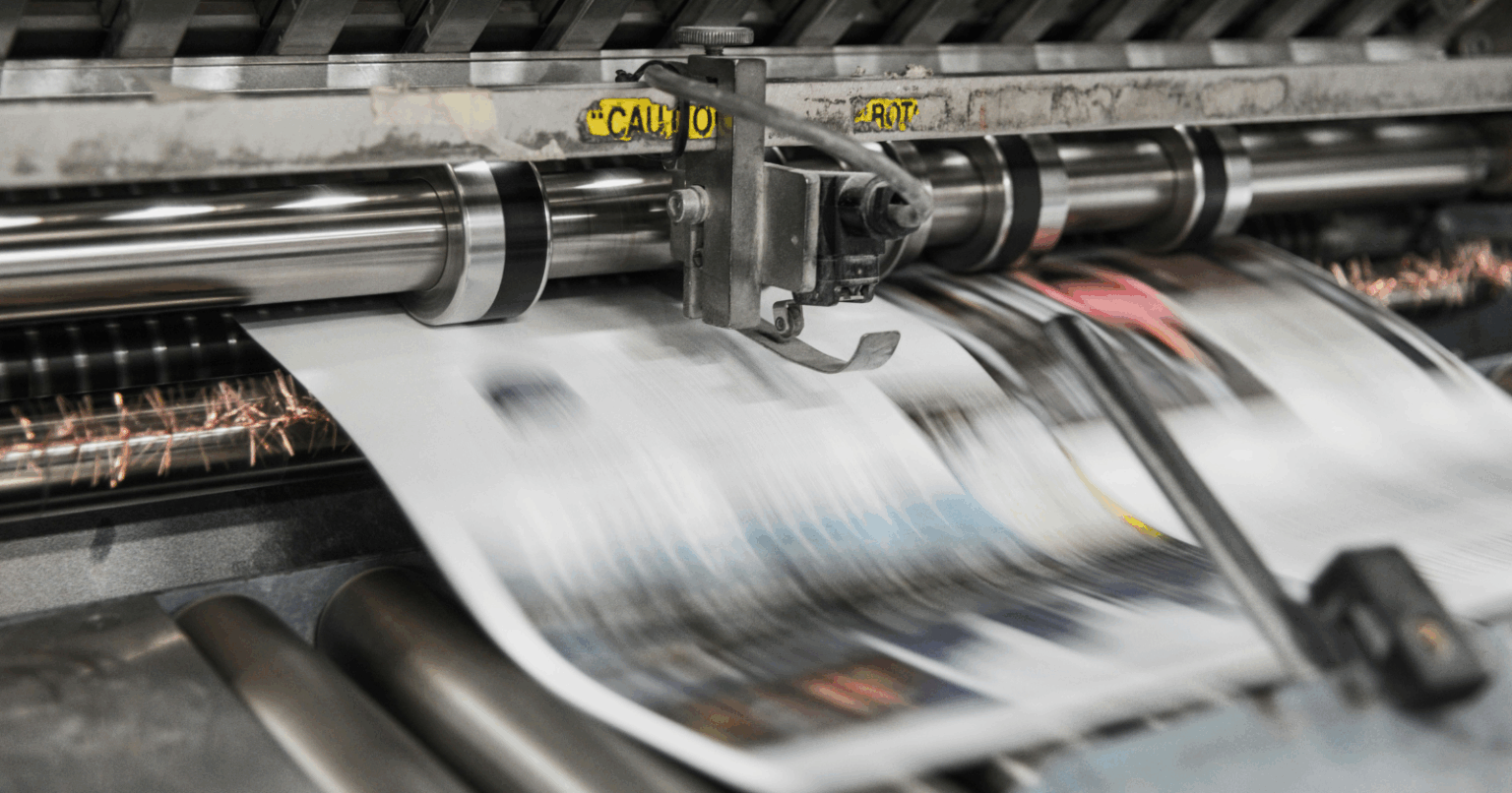
Start with what “digital-only” actually means here, because it’s easy to hear that phrase and picture a newsroom shutting its lights off. That isn’t what’s happening. MLive announced on September 2, 2026 that eight of its papers, the Ann Arbor News, the Grand Rapids Press, the Flint Journal, the Jackson Citizen Patriot, the Bay City Times, the Kalamazoo Gazette, the Muskegon Chronicle, and the Saginaw News, will stop printing after their final editions on December 6, 2026. The newsroom staff covering those communities keep their jobs. The reporting continues. What ends is the physical paper landing on a porch, and one full-time distribution position along with it.
That distinction matters, because the print era and the digital era genuinely aren’t the same product wearing different clothes. A printed paper arrives on a schedule you don’t control, all at once, in an order an editor chose for you. A digital edition updates through the day, gets read on a phone during a lunch break instead of at a kitchen table, and can be searched instead of flipped through. Both can carry the same reporting. The experience of receiving it is a different thing entirely, and for a long time that difference was exactly why print held on even as its economics stopped making sense.
MLive president John Hiner didn’t frame the decision as a mystery. “What has happened is, logistically, as the population has gotten older, subscribers have died,” he said, describing a subscriber base that was shrinking for the plainest possible reason, not a sudden loss of interest in local news. Delivering a physical paper to fewer and fewer addresses spread across a wide area gets more expensive per subscriber every year, until the math stops working regardless of how good the reporting inside it is.
It’s worth sitting with how long that math has actually been breaking down, rather than treating September’s announcement as sudden. The papers involved here trace back well over a century in some cases, through decades where a subscription was close to a default household expense in the towns they covered, not an optional add-on competing with a dozen streaming services and a news feed that refreshes itself. A gradual shift from “everyone in town gets the paper” to “most people in town read the news on a phone they already had in their pocket” doesn’t announce itself with a single dramatic headline. It shows up as a slowly thinning subscriber list for twenty straight years, until a company finally says out loud what the numbers have been saying quietly the whole time.
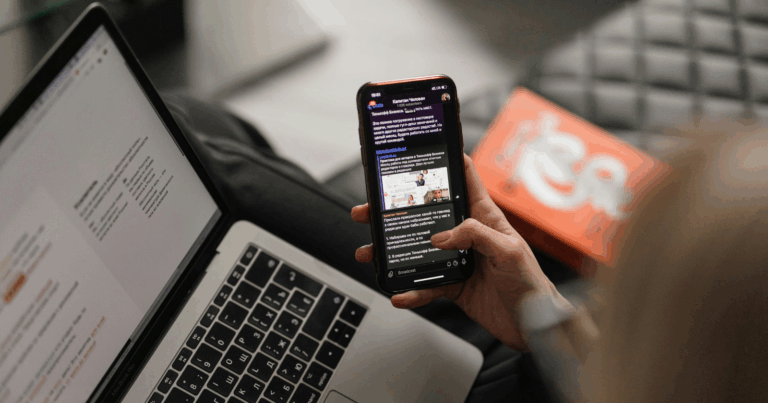
The digital side of that same ledger tells the other half of the story. “More than 99% of the company’s readership comes from digital formats,” Hiner said, and digital subscribers now outnumber print subscribers outright. Michigan isn’t unusual here. More than 3,500 newspapers nationwide have stopped printing over the past two decades, according to tracking by the Medill Local News Initiative at Northwestern University, and MLive’s eight papers join a list that’s been growing for a generation, not a sudden 2026 trend. Seen against that backdrop, the September announcement reads less like a company giving up on print and more like one finally acknowledging a shift its own numbers had already made.
What’s genuinely different this time is the tone of the announcement. Hiner didn’t pretend the print edition doesn’t carry real weight for the communities it served. “It’s nice to have a name on a building,” he said, acknowledging the pull of a masthead people grew up with, “but we’ve grown the brand in a lot of different ways that are just really in keeping with the times that we live in.” That’s a company choosing to say the sentimental part out loud instead of burying it under a press release full of “strategic realignment” language, which is worth noticing even if it doesn’t change the outcome for anyone who liked holding the paper.
I think about this kind of shift more than the average reader, because several of the properties I work on are built for an audience in their fifties, sixties, and seventies, exactly the readers most likely to have grown up with a physical paper as the default and to feel a real loss when it goes away, even while reading everything else on a screen. A masthead disappearing and a newsroom disappearing are genuinely different events, and it’s worth being precise about which one actually happened here. MLive’s reporters are still covering Ann Arbor, Flint, Grand Rapids, and the rest. What’s gone is one specific, aging way of getting that reporting into a reader’s hands, not the reporting itself.
The workshops MLive is planning speak to the actual thing readers stand to lose here, and it’s a smaller thing than “the news” but a real one anyway: a habit. Reading the paper over coffee, in a specific chair, in a specific order, is a ritual as much as an information source, built over years and not easily replaced by an app that technically contains the same stories in a different shape. Losing that ritual is a legitimate thing to grieve a little, separate from any argument about whether the reporting itself survives the transition. Both things can be true. The coverage of Ann Arbor and Flint and Grand Rapids keeps going, and something specific about how a longtime subscriber used to start their morning is still gone.
MLive says it will run workshops to help longtime print subscribers move to the digital editions before December, which is a smaller, more practical kind of help than a company owes its readers in a moment like this, but not a nothing one either. For a reader who’s spent forty years starting the morning with ink on their fingers, that’s a real adjustment, not a footnote, and it deserves to be treated as one instead of waved off as a formality on the way to a cleaner balance sheet.